Disclosure: Some of the links in this article are affiliate links. As an Amazon Associate, GymGuideHQ may earn from qualifying purchases. This comes at no extra cost to you and helps support our mission of creating honest, fitness, and wellness education.
At GymGuideHQ, we believe fitness progress tracking is not about chasing perfection or obsessing over numbers. It’s about validation. Validation that your work matters. Validation that you’re on the right path. And most importantly, validation that discipline is paying off—even when motivation fades.
In this guide, we will break down simple, practical tools that help you with fitness progress tracking in a healthy, sustainable way. These are resources that have personally benefited us at GGHQ and have also helped countless others build confidence, consistency, and clarity in their journeys.
Why Fitness Progress Tracking Builds Discipline (Not Obsession)
Discipline thrives on feedback. When you can see evidence of progress, even in small ways, you’re far more likely to stick with your routine. Tracking gives you proof that your actions today are creating results tomorrow.
That feedback doesn’t need to come from the mirror alone—and it definitely doesn’t need to come from daily scale panic. Progress is multi-dimensional. Weight, measurements, habits, workouts, and routines all tell different parts of the same story.
The key is using tools that support awareness, not anxiety.
Using a Smart Scale the Right Way (Without Letting It Control You)
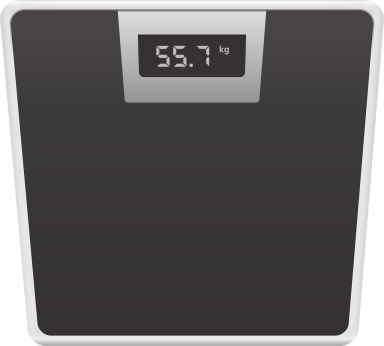
Etekcity Smart Scale for Body Weight and BMI: Check Price On Amazon
Let’s be honest: stepping on a scale can feel intimidating. For many people, the number staring back can be demoralizing, discouraging, or even scary. At GGHQ, we understand that feeling—we’ve been there ourselves.
That’s why we don’t treat the scale as a judgment tool. We treat it as a data point for fitness progress tracking.
A smart scale like the Etekcity allows you to view fitness progress tracking as a reference point—not a definition of who you are or how well you are doing. The goal isn’t to obsess over daily fluctuations. The goal is to remove the number’s emotional power by understanding it.
The GGHQ Weekly Average Method
Instead of weighing yourself once and reacting emotionally:
• Weigh yourself every morning
• Do it before eating or drinking
• Preferably after using the restroom
• Track your weight for 7 consecutive days
• Add the numbers together and divide by 7
That average gives you a far more accurate picture of your fitness progress tracking. From there, you can make informed decisions about nutrition and training—without panic or frustration.
Remember: it took time and effort to reach your current weight. It will also take time and effort to reach your next goal. Give yourself patience and grace. Even reading this blog and considering tracking your weight more intentionally are meaningful first steps.
Manual Fitness Progress Tracking Tools
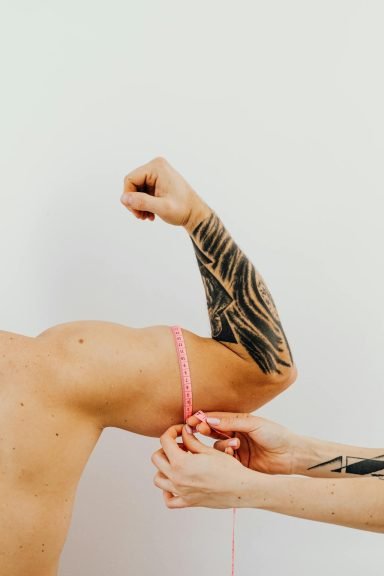
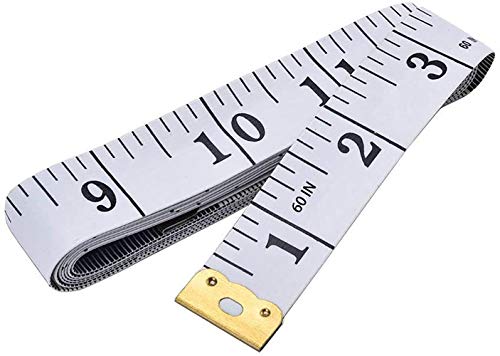
GDMINLO Soft Tape Measure: Check Price On Amazon
Tracking progress isn’t for everyone—and that’s okay. Some people don’t want to measure their waist, arms, or legs, and there’s no requirement to do so. But for those who want another perspective, a soft tape measure can reveal changes the scale completely misses.
Measurements can show:
• Muscle growth
• Fat loss in specific areas
• Body recomposition progress
When used consistently and calmly, this tool adds context to your journey. Combined with your weight tracking and journaling, it helps you understand how your body is changing—not just how much it weighs.
Why Writing Your Workouts Down Changes Everything

Fitness Workout Journal for Women & Men: Check Price On Amazon
Using a workout journal is one of the most underrated fitness progress tracking habits you can build. Writing down your workouts creates accountability, reinforces consistency, and turns effort into something tangible.
At GGHQ, we strongly recommend using a fitness progress tracking journal to record:
• Exercises performed
• Sets and reps
• Weights used
• Notes on how you felt
You can also record weekly weight averages or body measurements in the same journal. When you combine workout tracking with physical measurements, you gain a clear vision of what’s working—and what needs adjusting.
Several of us at GGHQ have used journals like this (or similar versions) to track training alongside weight and measurements. Over time, patterns emerge. Confidence builds. Discipline strengthens. These fitness progress tracking tools have been adding benefits to our personal journeys, and they can also do so for you.
Building Discipline Beyond the Gym

Lamare 2026 Habit Tracker Calendar: Check Price On Amazon
Fitness doesn’t exist in isolation. Your workouts are influenced by your sleep, nutrition, stress levels, and daily routines. That’s why we believe tracking habits outside the gym is just as important as tracking workouts inside it.
A habit tracker helps you stay accountable to the behaviors that support your goals, such as:
• Eating cleaner
• Training consistently
• Doing cardio
• Going to bed on time
• Staying organized
• Working on personal growth
The first habit we recommend building? Writing things down. Once your habits are visible, they’re harder to ignore—and easier to improve. Used consistently, a habit tracker becomes a powerful tool for discipline that supports long-term success.
Using a habit tracker as one of your fitness progress tracking tools will assist you with your active recovery days, which helps your body heal. For more information on recovery methods, check out our other section, Wellness and Recovery.
This is the GGHQ way: small actions, tracked daily, leading to lasting change.
Tools, Not Rules
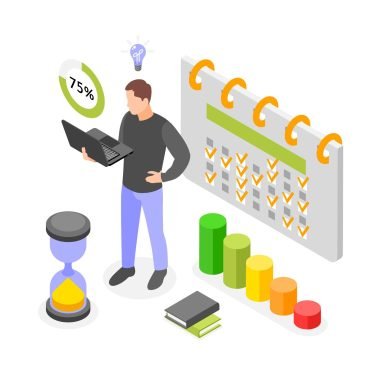
None of these resources is mandatory. You don’t need every tool for your fitness progress tracking journey. But used correctly, they can provide structure, clarity, and reassurance—especially during moments of doubt.
Fitness progress isn’t about perfection. It’s about awareness, patience, and showing up consistently. The right tools help you stay grounded, confident, and disciplined as you move forward.
If you’re serious about your journey, using fitness progress tracking tools is not optional—it’s empowering.
BUY HERE!